
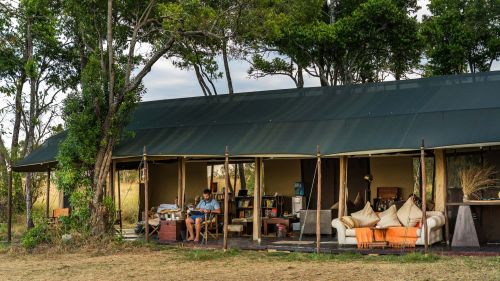
 Lemala Mara is a classic mobile safari camp that moves between north and the Ndutu area in southern Serengeti. It's aim is to ensure guests enjoy ringside seats to the spectacle of the magnificent wildebeest migration year-round.Camp is located South of the Mara River in Northern Serengeti between July and October. Close to the Mara River, it is far enough to remain discreet. The location does not interrupt wildlife behaviour as the wildebeest mass along the steep banks during their frantic crossing on their way north to the Maasai Mara. Guests enjoy fabulous landscapes and terrific game viewing. Resident wildlife numbers are high, but nothing compared to the dramatic scenes during the migration. Migration time is when tens of thousands of animals gather to then plunge into the crocodile-infested river - an amazing spectacle!When the camp moves South, it sets up again in the Ndutu area which is where the Wildebeest herds arrive late December and remain until around March. This is where the wildebeest drop their calves and enjoy a period of relative calm before once again starting their migration cycle and heard North again.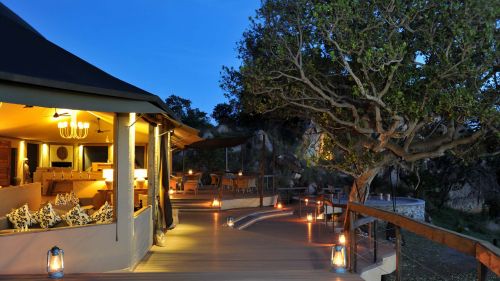
 Lemala Kuria Hills Lodge is remotely located in the Wogakuria Hills of the Northern Serengeti. A scenic region characterized by grassy rolling hills, open woodland and tree-lined watercourses, it is a habitat that attracts wildlife throughout the year. Lemala Kuria Hills is in close proximity to the Mara River on the Serengeti’s border with Kenya’s Maasai Mara, so is also within the main corridor of the world-famous wildebeest migration between July and October.
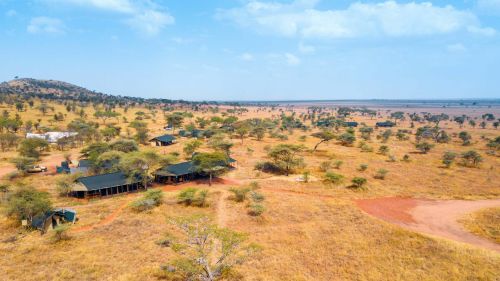 Lemala Ewanjan is a classic tented camp set in a secluded part of the game-rich Seronera Valley in Central Serengeti. Seronera is known for excellent year-round game viewing due to an abundance of water in the many rivers. Central Serengeti has a large population of lion, cheetah and leopard.Ewanjan camp is set at the end of a valley, from where you can enjoy uninterrupted views over the plains. Upgraded in July 2018 it now has brand new tents, including 10 standard and 2 family tents comprising two adjacent tents for those traveling together.
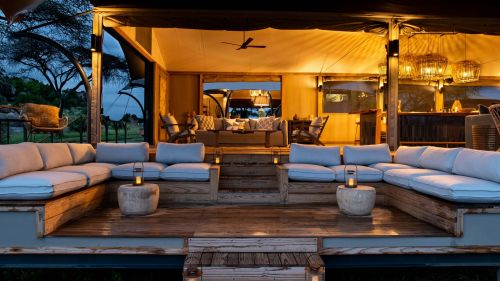 Lemala Nanyukie opened in October 2018 in the fabulous Eastern Serengeti. Meaning ‘endless plains’ in the Maasai language, the Serengeti is one of the world's most celebrated wilderness areas. Lemala Nanyukie is located a 45-minute drive east of the Seronera Airstrip in the park’s central region with outstanding views across the ‘endless plains’. The camp sits on a grassy savanna dotted with rocky kopjes and shaded by ancient giant acacia trees.This area of the Serengeti is crossed by the annual wildebeest migration. It also has high-density game-viewing at all times and is well-known for its large concentration of cats. Lemala Nanyukie will be open year-round, and safari activities like game drives and walks will be accompanied by knowledgeable and experienced guides.
 Serengeti Walking Camps are lightweight private camps set in wilderness areas far from the busy tourist areas. These camps are designed to move catering for up to 6 days of walking in an area. Camp tents are relatively small 2.5m x 2.5m dome tents but with comfortable foam mattresses are covered with 100% linen bedding. Meals are eaten under the stars or in the shade of of a tree. A small mess tent is available in the event of bad weather. All meals are 3-course sit down affairs, prepared by the camp chef and served by waiters. All walking camps are private and groups and therefore never mixed.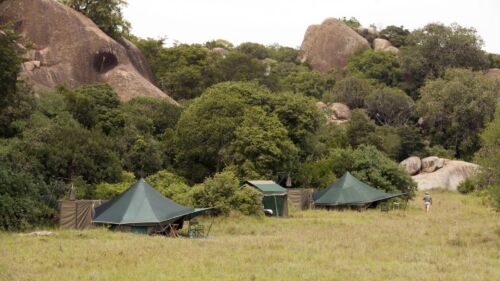
 Serengeti Green Camp is set under large acacia Tortilis trees, at the heart of Tanzania’s wilderness. The camp is open from December to March when the migration of millions of wildebeest usually arrive at Serengeti's southern short grass plains.
 Ubuntu Migration Camp has just 8 tents and is designed to reach key wildlife areas. It is lightweight enough to move seasonally, and while doing so, offers every comfort possible. Each tent is either a double or a twin with an ensuite bathroom with safari shower. A small veranda and seating area allows guests to enjoy the peace of the bush in their own space. The communal areas are set around an open fire. These include a dining area and a sitting area from where guests can enjoy the space this wilderness offers.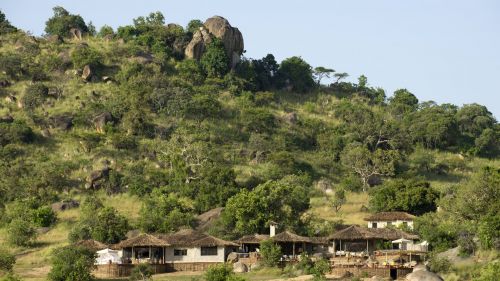
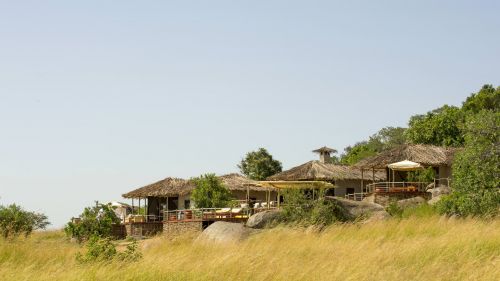 This self-contained private house for up to ten persons, totally designed around families, is charm itself, and set plum in the middle of one of Serengeti’s richest mammal habitats.Price shown is per adult based on 4 adults. Extra charge applies for each extra guest, with a limit of 10. Ask for a quotation based on group size.Solitary under huge skies and amidst the great grassland plains, it grants complete freedom from other people and schedules. It’s also excitement-central: a lively base for expertly guided forays into the bush: scouting buffalo, elephants, lion, crocodiles – and the famous wildebeest river crossings.Nomad founder, Mkombe Mniko, was a guide who cherished this area and connected strongly with children – and their parents. He would have seriously loved it here. And so will anyone who stays in this house they named after him.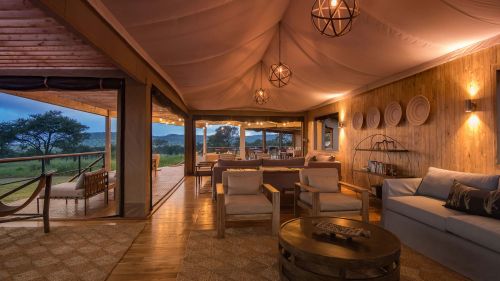
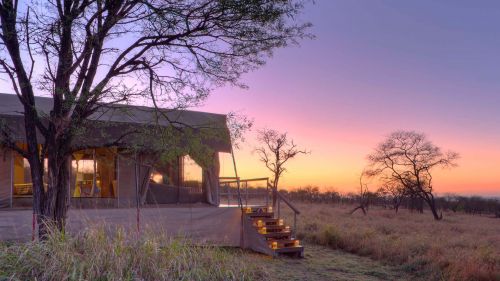 Located on a major migration corridor in a spectacular location in the heart of the Serengeti, Dunia Camp offers easy access to the scenic Moru Kopjes and game-rich Seronera region. Big cats and rhino are plentiful and the Great Migration virtually passes through camp twice a year. Sunrise hot-air balloon safaris also provide a memorable way to experience this famous corner of the Serengeti.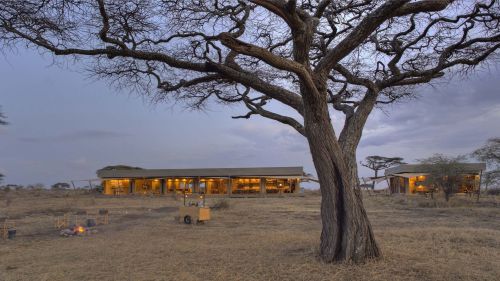
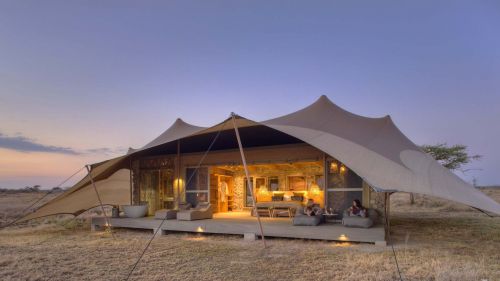 For over 20 years, the area of Soit Le Motonyi was closed to tourism and reserved as a cheetah conservation and breeding program. As a result of this program, the area now features the highest density of cheetah in East Africa, along with high numbers of lion and leopard, allowing for excellent year round game viewing. Between November and May, the camp is well positioned to access the vast herds of the annual Migration as they pass through Soit Le Motonyi and gather on the plains to the south west of Namiri Plains.Namiri Camp has now been reopened as a completely renovated permanent tented lodge.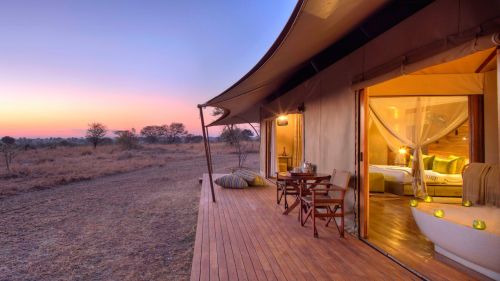
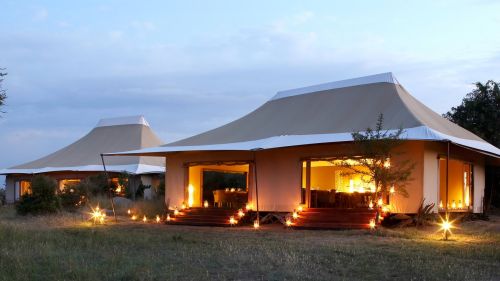 Sayari Camp is a spectacular 15-tent camp near the Mara River in northern Serengeti National Park. Sayari Camp has 2 parts, one with 9 tents and one with 6 tents. Both wings have a separate mess and dining area to ensure intimacy and personal service. The entire camp or either wing can be booked exclusively.Sayari is one of Asilia Africa's many camps that are spread out between Tanzania and Kenya. These include properties in Serengeti, Ngorongoro Crater, Tarangire, Ruaha & Usangu Flats, Nyerere and Rubondo in Tanzania and The Mara Main Reserve and Mara Naboisho Conservancy in the Mara ecosystem along with Ol Pejeta in the Laikipia region of Kenya. Having such a wide range of properties means that there are further savings to be had when spending multiple nights with this company. One of their best offers is free transport and flights if you spend 7 nights or more in a combination of their camps.If you are looking for that extra touch of refinement along with some unique specials such as their own home-brewery, its hard to beat Sayari. But there is a further refinement which actually works out very competitively priced and that is to stay at the new Sayari Retreat, comprised of 2 self contained units with private 4x4 and guide, their own private lounge and chefs and a shared pool between the two units. Each of the two Sayari retreat units has 2 bedrooms aimed at 4 persons, but there is space for an additional 2 persons. Sayari retreats have a fixed price per unit, with up to 6 persons in each.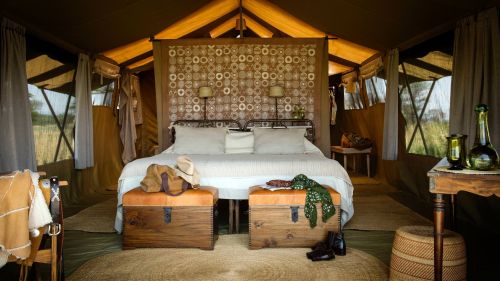
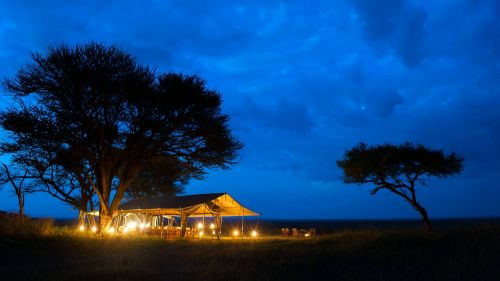 Serengeti Safari Camp is designed to follow the migrating herds, which is the primary objective of most safari-goers. Camp sites are carefully selected to be within striking distance of the herds (nature allowing of course) but always tucked away in corners of hidden wilderness as far from others as possible. There are two identical camps which leap frog around the Serengeti, moving 4 - 5 times a year. This is one of the last camps to continue doing this as many "mobiles camps" now only move twice per season.Each year, these little camps cast off from Lamai Serengeti and begin their own odyssey. Covering hundreds of miles and moving every couple of months along a route that the herds have travelled for hundreds of years, Serengeti Safari Camp is where you come for your migration fix.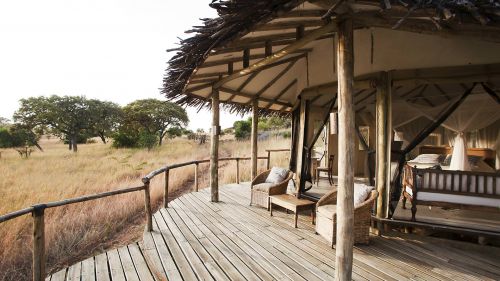
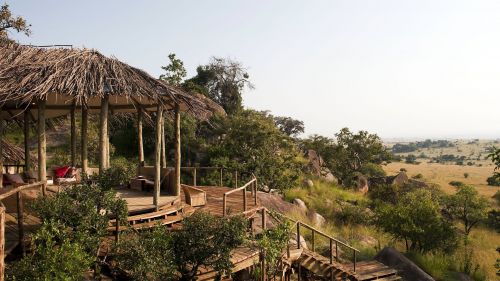 Lamai Serengeti provides an exclusive experience amidst the stunning Serengeti landscapes. With only a few rooms, guests relish unparalleled privacy while observing the wildlife roaming across the plains. Each tented room merges comfort with a seamless connection to the natural environment. Tucked amongst the rocks of Kogakuria Kopje it enjoys panoramic views of the surrounding landscape.Only a few miles away is where the wildebeest herds seasonally cross the Mara River. Between late July and October, this is where you will find the migration. For the rest of the year, it is wild Serengeti, with all the resident game of the Masai Mara but without the people.Experience the Serengeti from this extraordinary vantage point. Big game, big views, big Africa. Each room makes the very best of incredible views, space and light, while being sensitively designed and placed so as to be perfectly camouflaged against the natural backdrop. See, but not be seen. The panoramic views from every corner of Lamai Serengeti of the Serengeti and Masai Mara beyond deliver impact from the moment you arrive.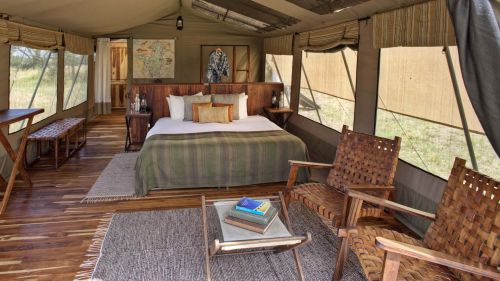
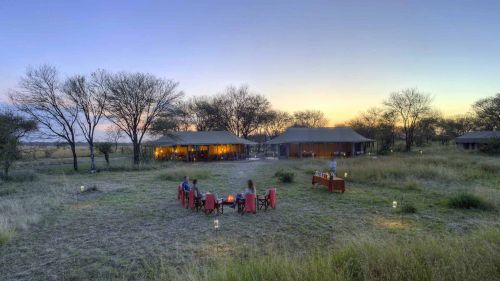 Olakira is a safari camp with 9 tents that seasonally relocates between North and South Serengeti. Tents are spacious, comfortable with en-suite flush toilets and safari showers. After their daily activities, guests gather at the fire place, sundowner spots and the common dining and library tent. Enjoy a private dinner under the stars, with excellent food. The camp's size and the friendly, well trained staff create an authentic safari experience.Olakira camp operates in the prime wildlife areas of the southern (Ndutu) and northern Serengeti (Mukutano - at the Mara River). Though the camp is positioned to be within reach of the Migration, proximity to the Migration isn't guaranteed. This is due to the unpredictable nature of animals and the limited availability of good campsites should conditions change.
