Serengeti Safari Camp
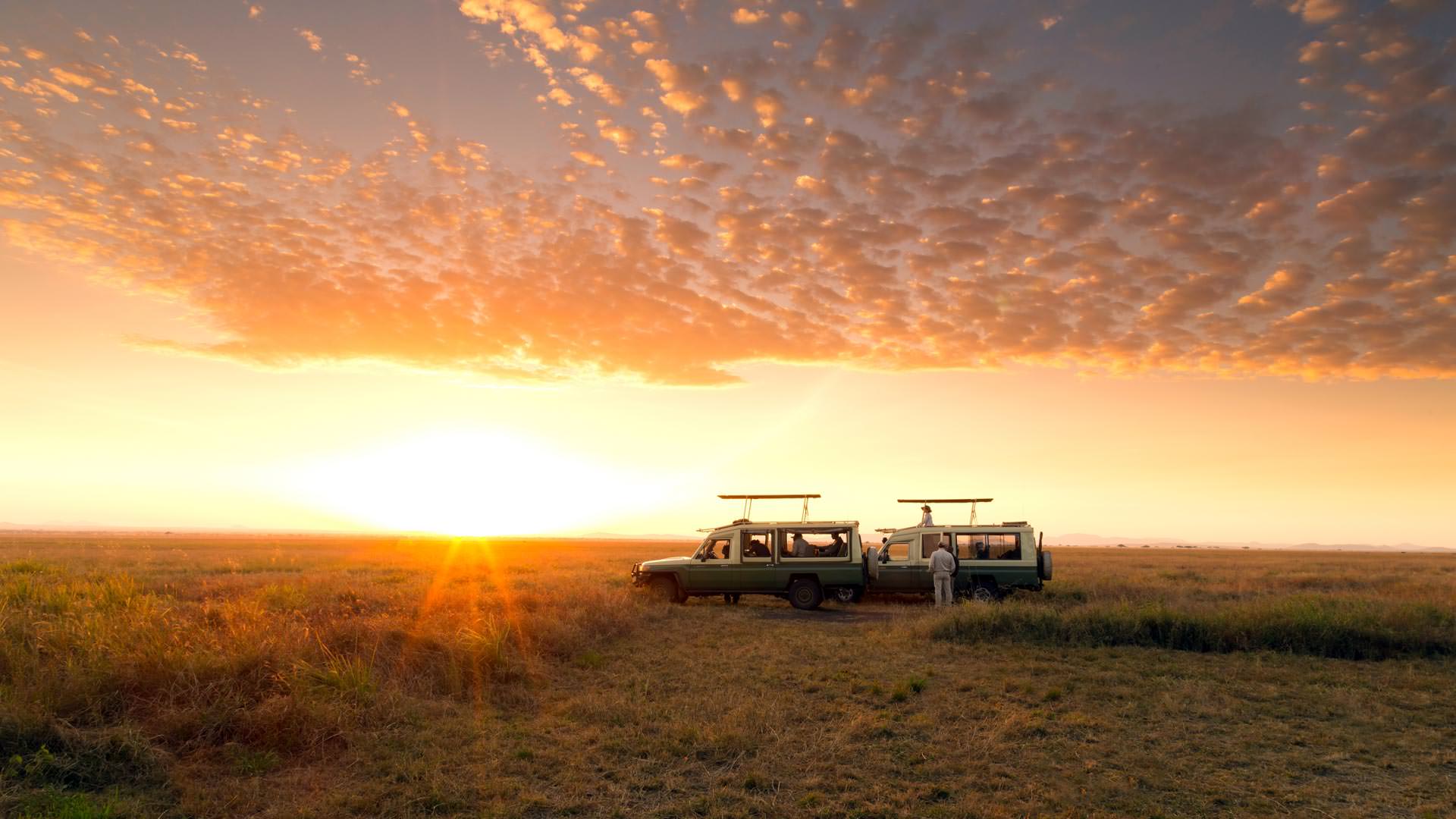
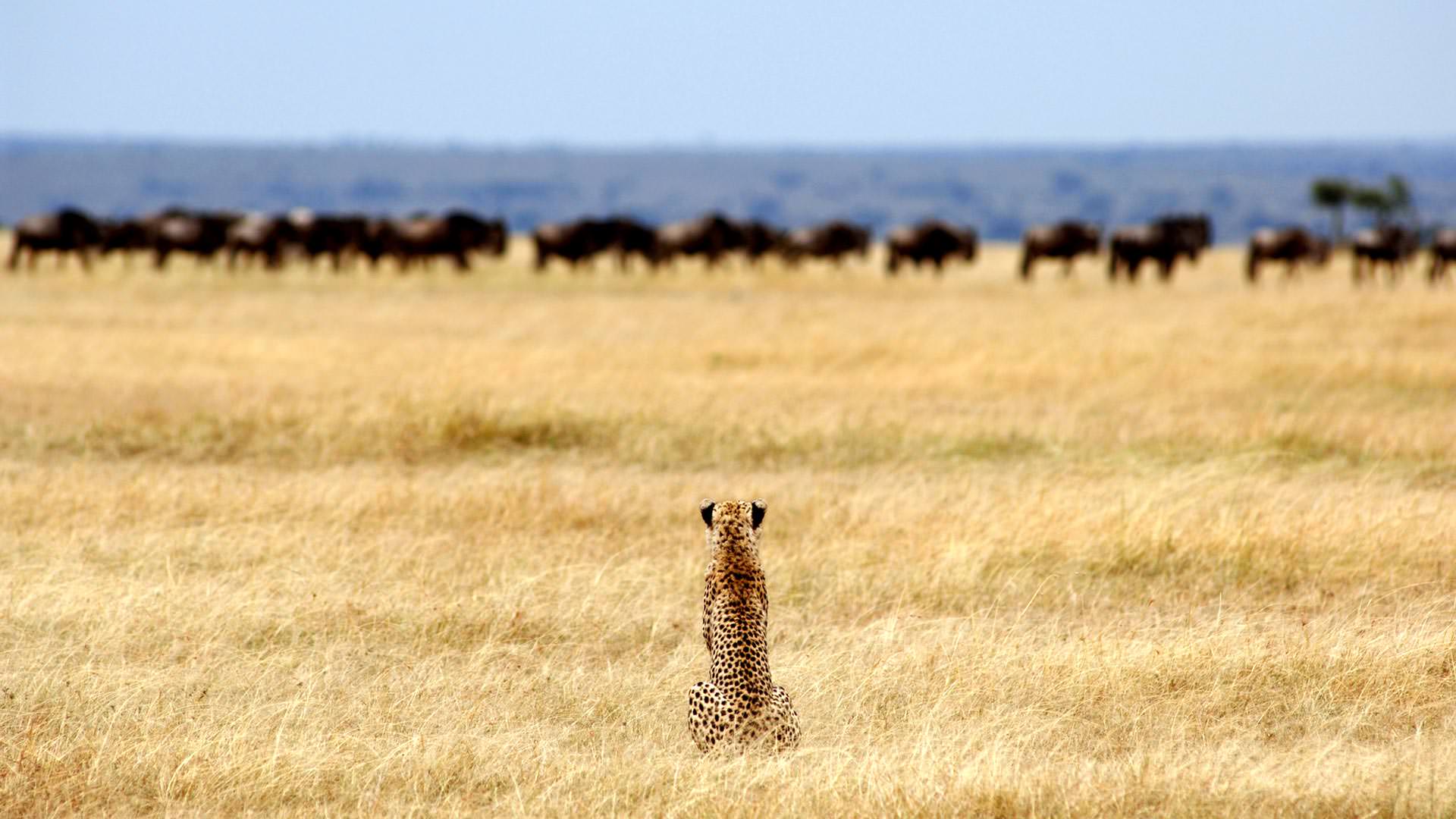
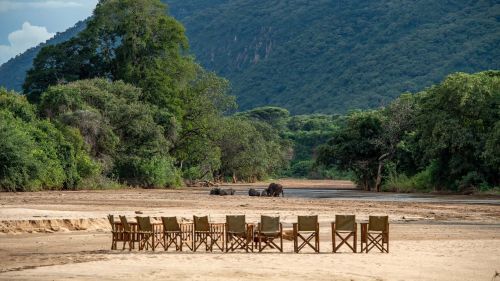
This camp is is all about the Wildebeest migration, which is truly something to behold. Depending on the time of year, there is always something to see. December to March sees the herds gather on the short grass plains in Southern Serengeti to have their calves. From April to June they spread out over central and western Serengeti. As there are two identical camps, it is a good idea to combine the two as the herds can be unpredictable at this time of year. During July to October, the herds are up in Northern Serengeti, criss crossing over the Mara River in search of fresh grazing. This is probably the most intense time to see them. November sees them pushing south again to start the whole cycle once more, and once again it is a harder time of year to predict their movements and a combo of both camps, or Serengeti Safari Camp with Lamai Serengeti works wonders.
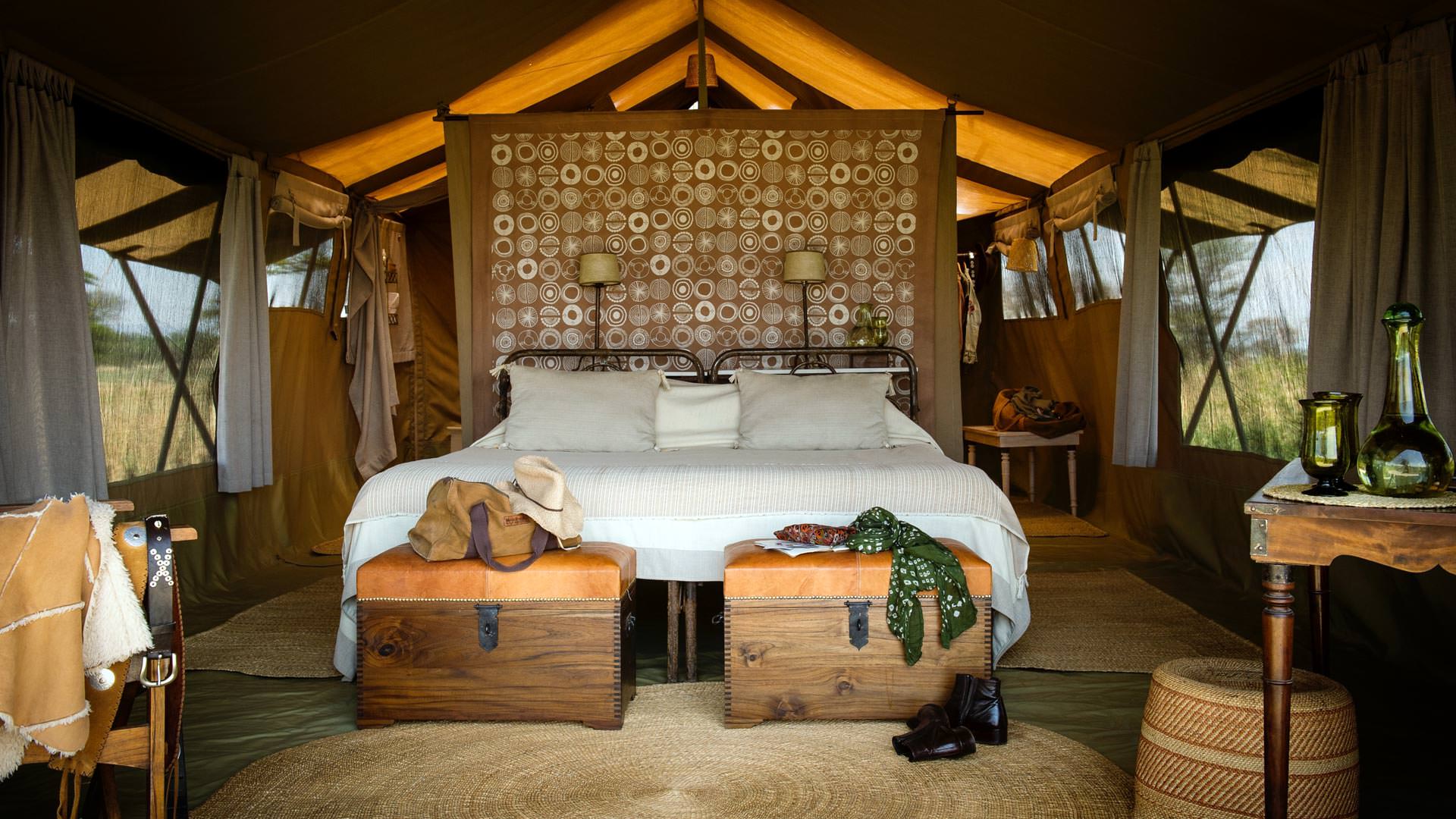
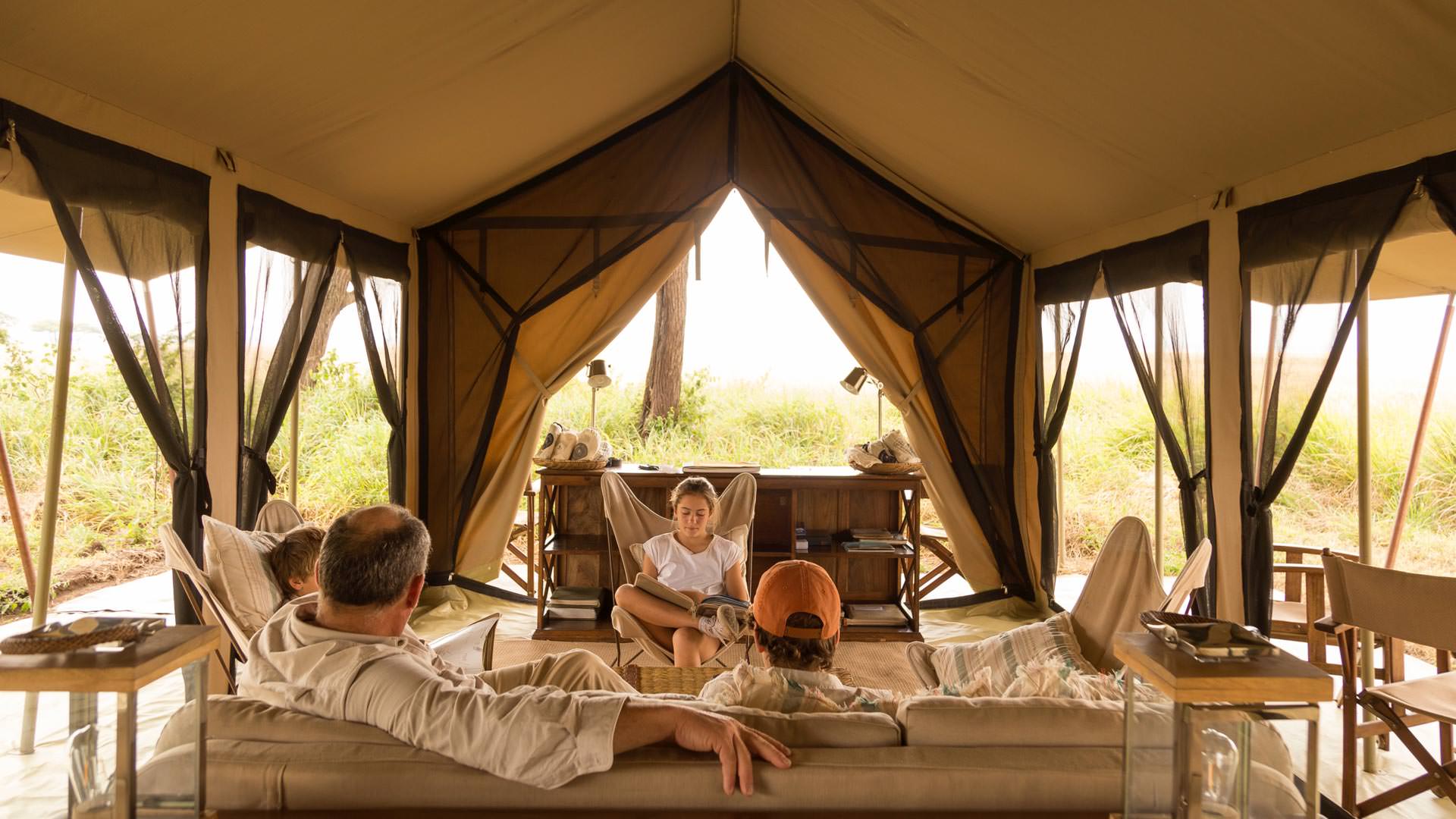
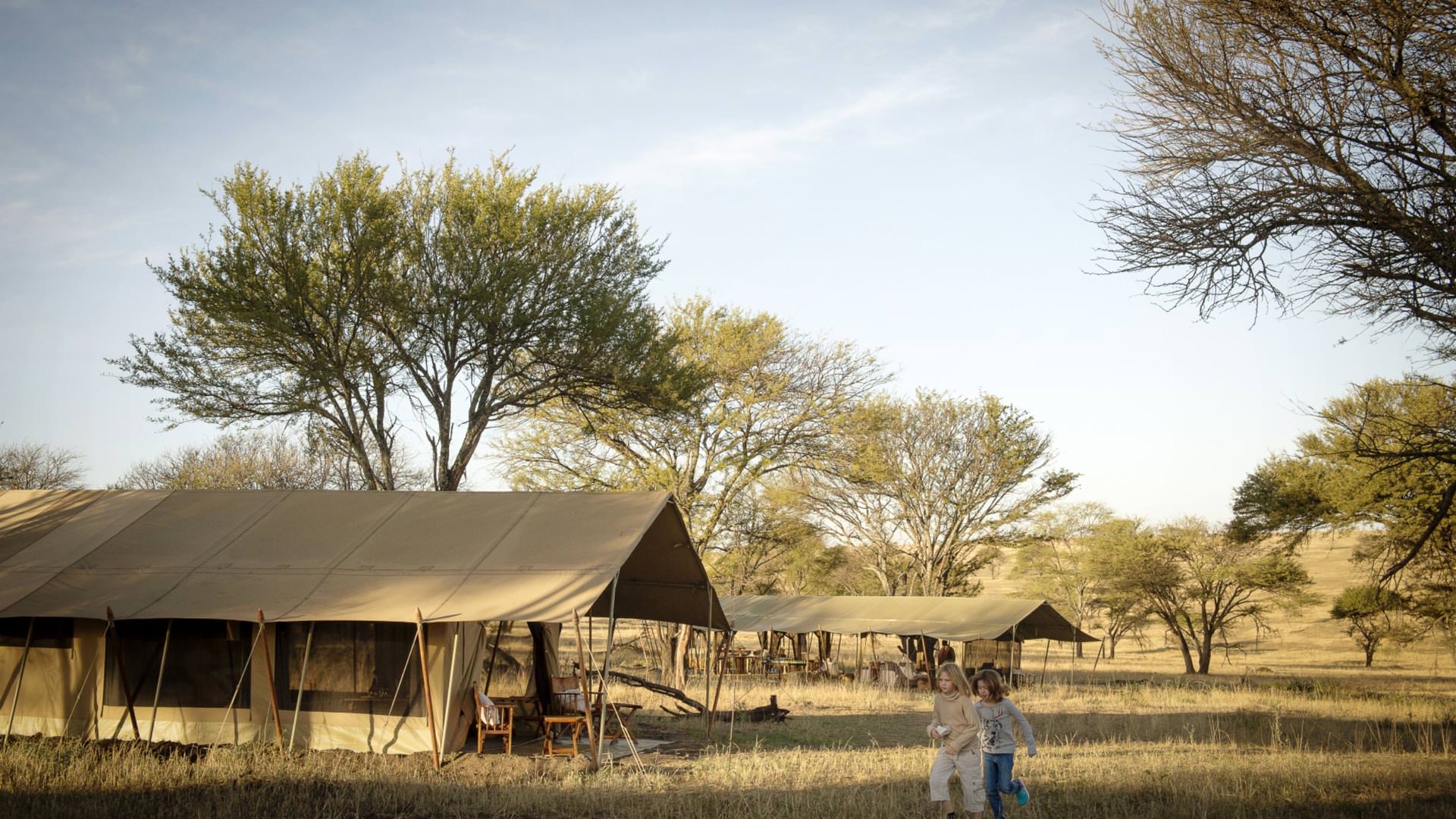
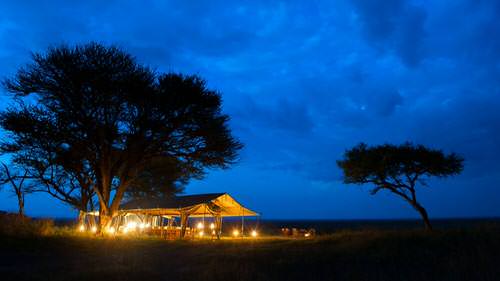
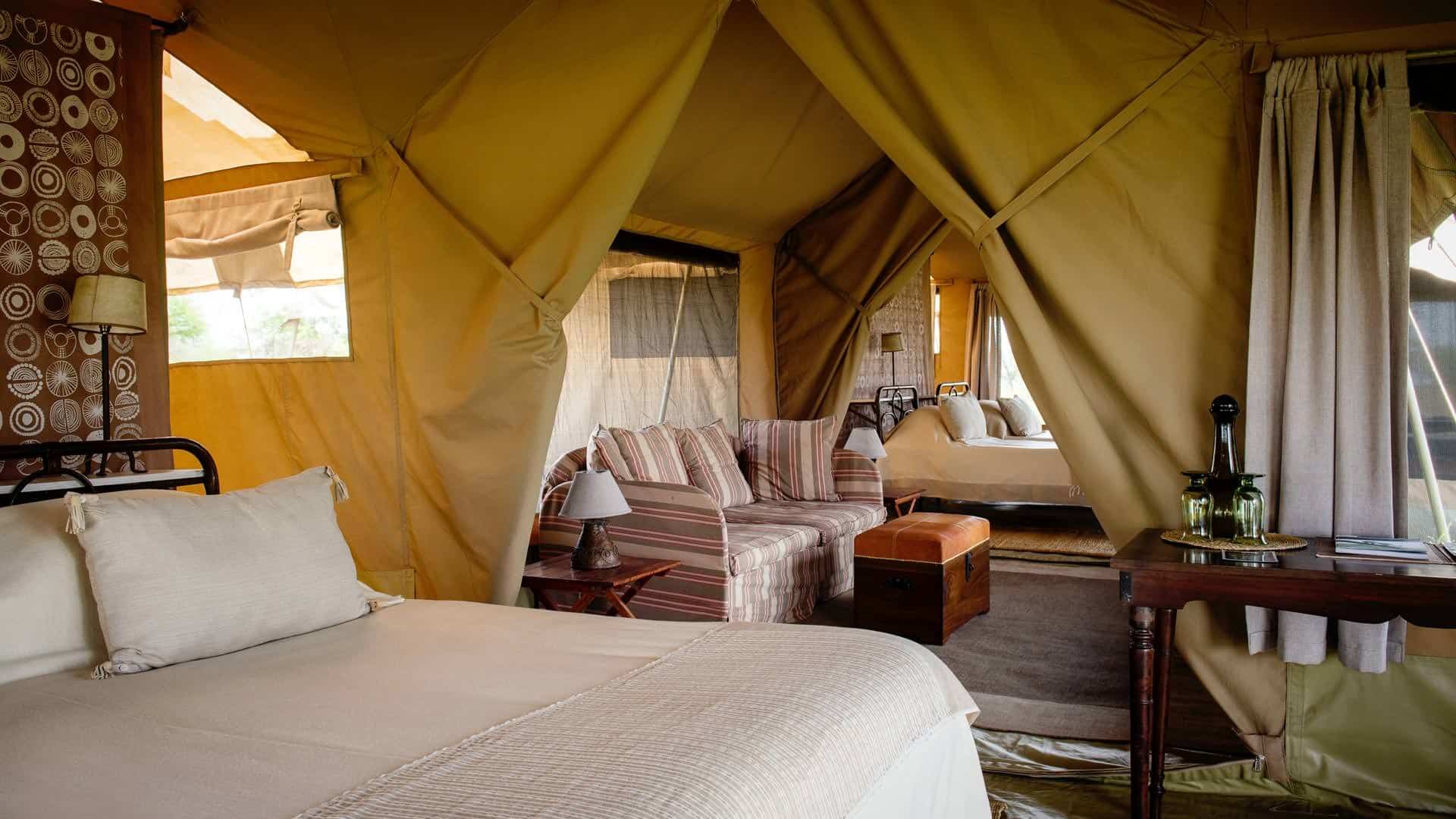
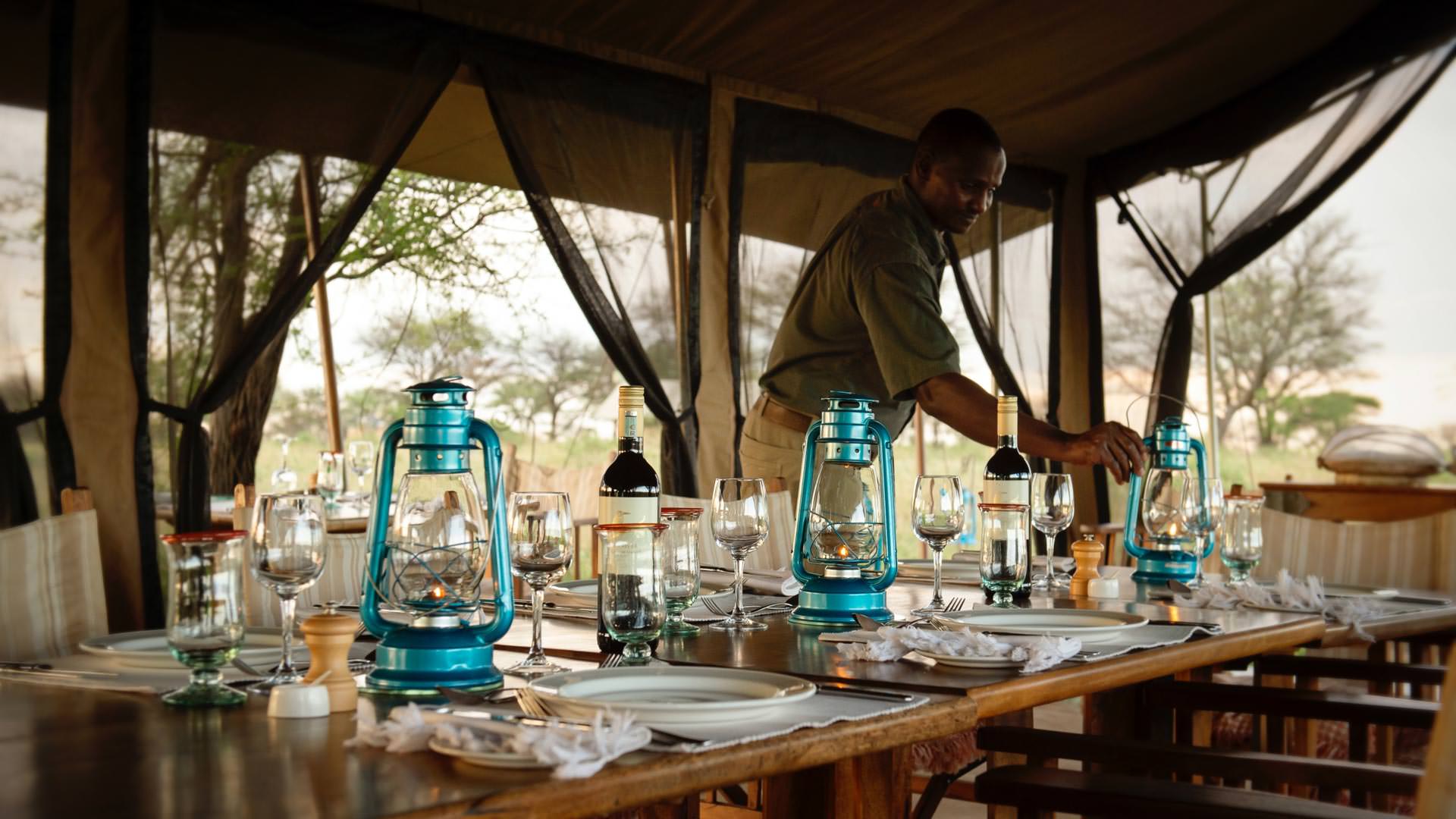
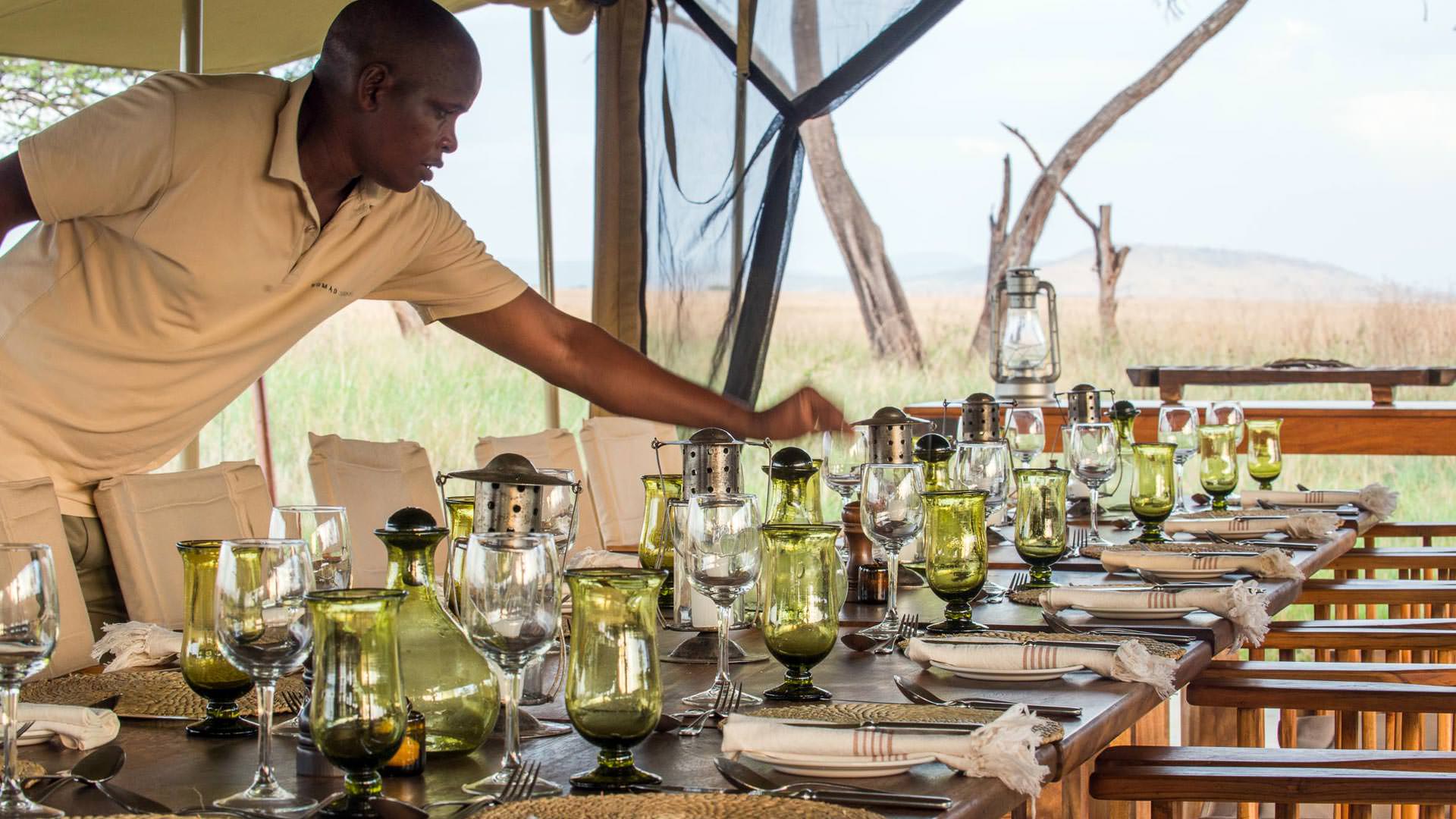
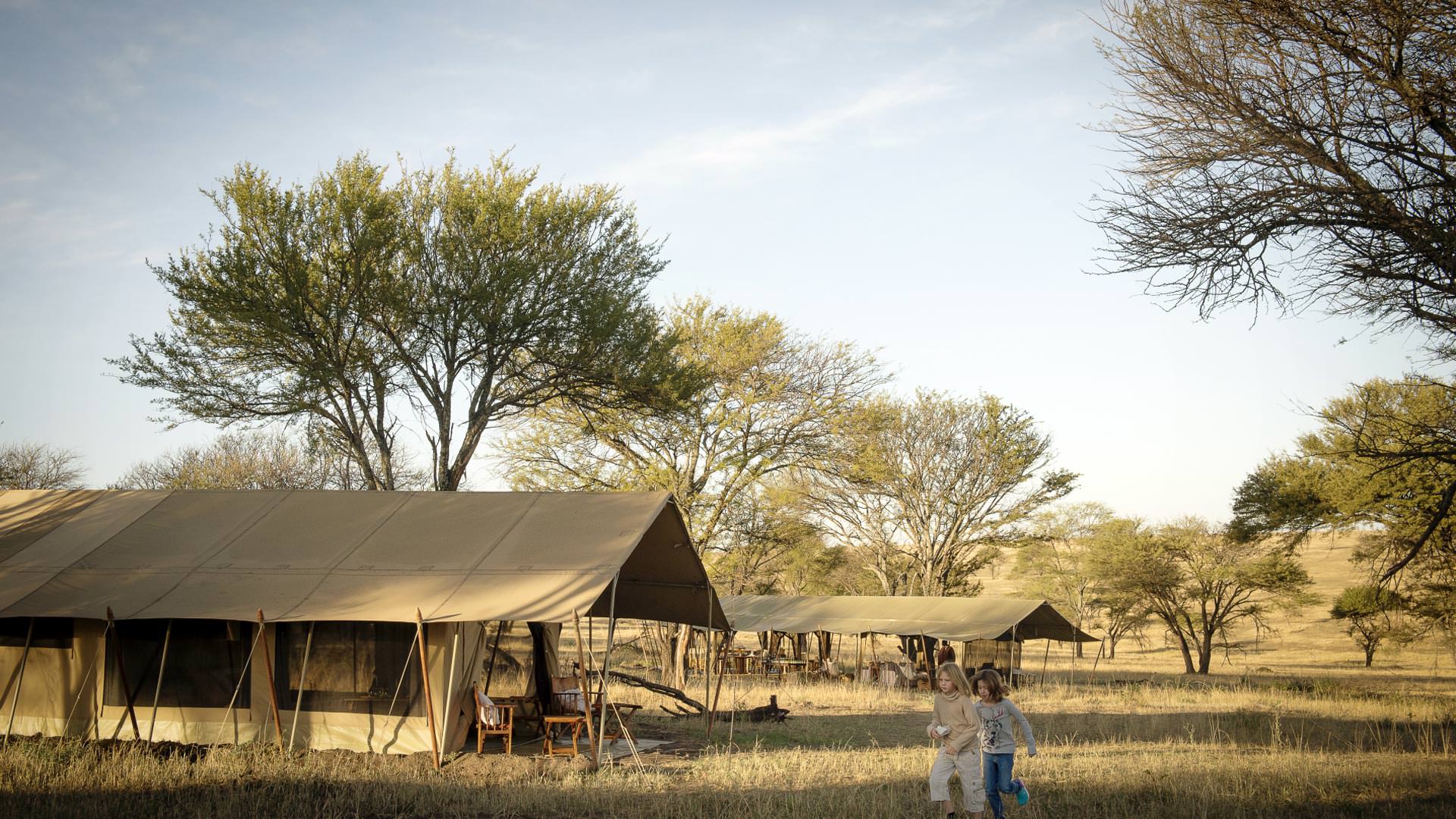
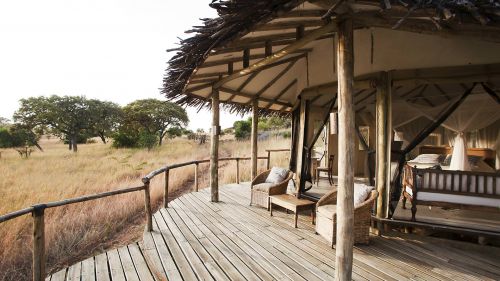
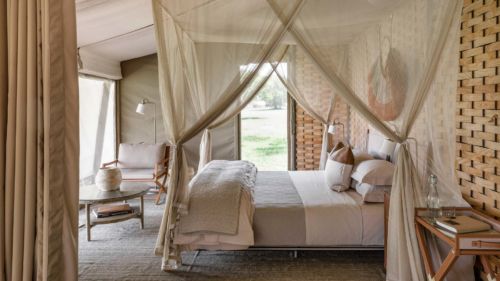
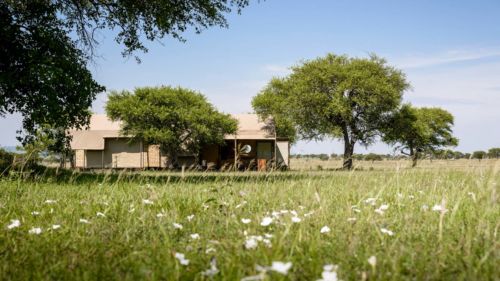
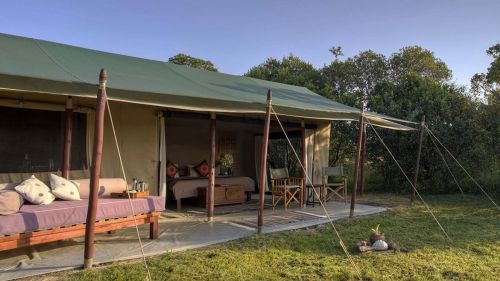
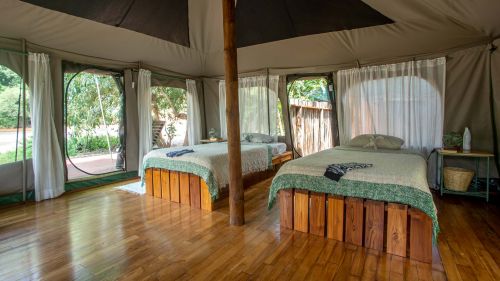
With only six canvas tents and a roomy open mess tent, there is plenty of space to appreciate the vastness of the Serengeti. Camp is not short of creature comforts, but you will find nothing that is not absolutely necessary to ensure your comfort. The mobile nature of the camp precludes a light footprint, as does a commitment to do no harm as the camp moves through the Serengeti. Enjoy a good old bucket shower here, and make use of eco-flush loos which use 90% less water than your ordinary toilet.
When planning your stay at the Serengeti Safari Camp, understanding the rates is essential. The camp provides a unique experience blending comfort with close proximity to the majestic Serengeti wildlife. Prices fluctuate based on the season, ranging from $1,250 per adult per night during peak times to $865 per adult during off-peak seasons. Children under 21 years of age are charged 70% of this rate.
Comments
In the early days of safari when the first intrepid tourists started arriving in Tanzania and Kenya, there were few lodges and hotels in the parks while the concept of boutique hotels had not even been invented. So where did people seeking privacy and proximity to wildlife stay on safari? A number of guides started fielding mobile safari camps, complete with tents, simple furnishings, bucket showers and all the basic comforts including bush chefs and a cocktail bar. These “camps” were usually stored back at base and sent out on safari on trucks, 4×4’s with a small safari crew just ahead of the arrival of guests. Camps were thrown up in the most remote locations and voila, your home from home appeared on the Serengeti plains. This is essentially what Serengeti Safari Camp offers guests now, remaining loyal to the simplistic camp and mobile concept. Sadly, this is a dying trend, since authorities have come up with a camp-moving fee of several 000’s of $’s, so now, these camps move seasonally instead of for each group. If you can, mix things up a bit – stay at a mobile camp at least some of the time on safari – Tom S.