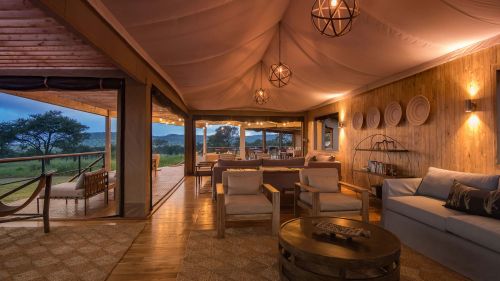
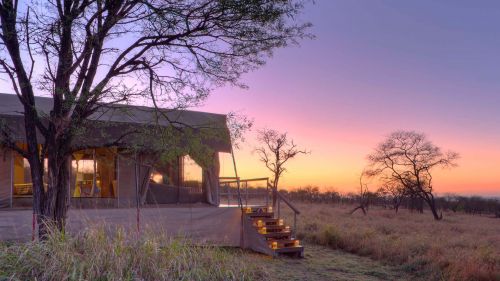
 Located on a major migration corridor in a spectacular location in the heart of the Serengeti, Dunia Camp offers easy access to the scenic Moru Kopjes and game-rich Seronera region. Big cats and rhino are plentiful and the Great Migration virtually passes through camp twice a year. Sunrise hot-air balloon safaris also provide a memorable way to experience this famous corner of the Serengeti.
- 32% Off!

 Set in the remote southern reaches of Tarangire National Park and within easy reach of the Silale swamps, Oliver’s Camp is an echo of the early days of East African safaris. Alongside Oliver’s ten ensuite tents, Little Oliver’s offers a more intimate safari with just five exclusive tents. Both camps are perfect for those searching for genuine experiences in the unique, baobab-filled landscape.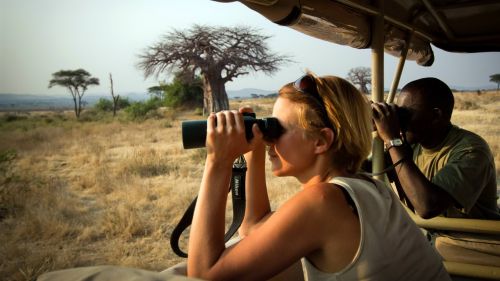
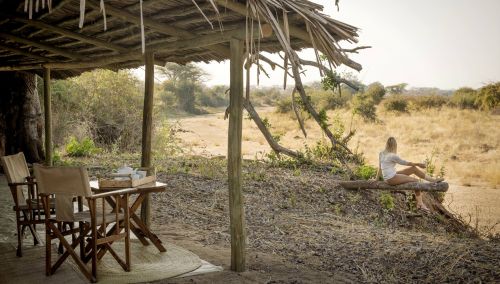 A grove of Kigelia (Sausage Tree) is home to this simple but comfortable tented camp. Ruaha National Park has to be one of the most scenic in Tanzania. It has acres upon acres of baobab studded plains, sweeping sand rivers, swathes of woodland and seemingly impossible balancing granite boulders, all surrounded by seriously impressive game populations. Kigelia Ruaha sits right in the middle of it all, flanked by ancient baobab forests and overlooking the dry river bed of the Ifuguru River. Ruaha surprisingly is relatively undiscovered and receives far fewer visitors than its more famous counterparts in the north of the country. So, on safari out here you have it almost all to yourself.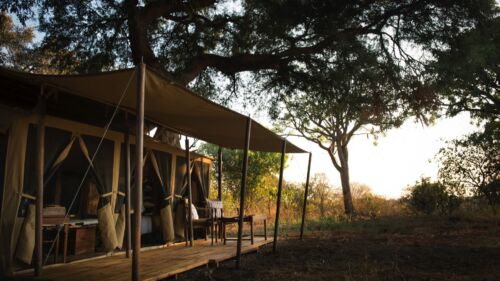
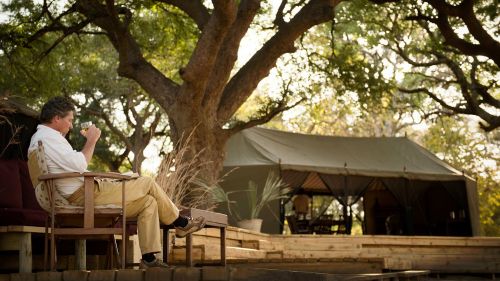
Chada Katavi belongs to the beasts
Chada Katavi belongs to the beasts of Africa, it always has, as if they were all created here in this remote place. This is the promise of Katavi - total absorption in the natural world and virtually no one else around. Katavi really is one of the final frontiers. This is a true wilderness which is all about enjoying being out on safari without the crowds, in fact often without any company at all. Chada Katavi is only open for six months of the year (June - November) and we think everyone should be clambering over themselves to get here - it really is worth it.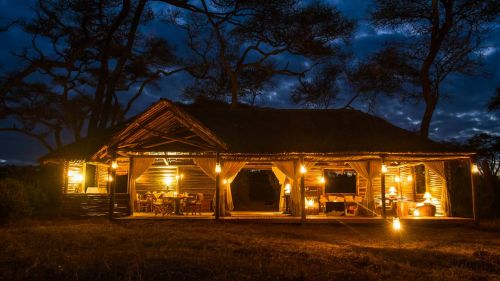
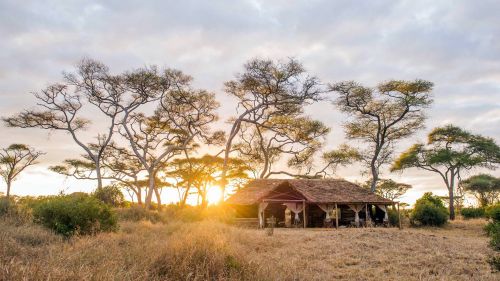 Kuro Tarangire is nestled right in the middle of Tarangire National Park, just 15 minutes drive from the Kuro airstrip. The camp's central location means you get away from the crowds that often linger closer to the park gate. It is important to have your own corner of this special park all to yourselves, while still within striking distance of the Silale swamp. Silale can be a real hub of wildlife activity and is well worth a visit.Kuro camp is small and intimate, with a cosy mess area that draws inspiration from the Maasai. With only six tents, one of which is a family unit - it is a classic bush camp of old. Just the way it should be.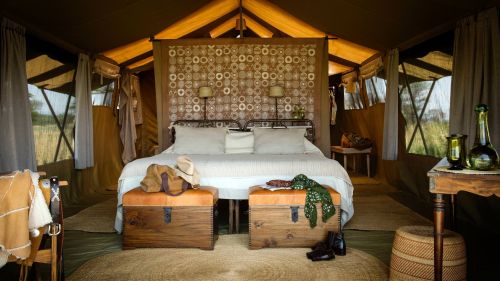
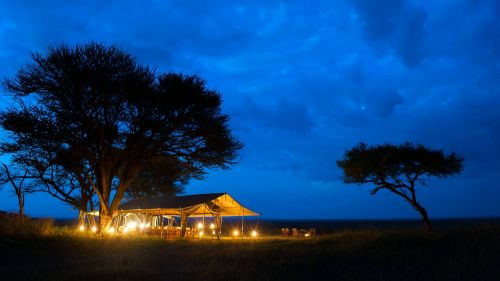 Serengeti Safari Camp is designed to follow the migrating herds, which is the primary objective of most safari-goers. Camp sites are carefully selected to be within striking distance of the herds (nature allowing of course) but always tucked away in corners of hidden wilderness as far from others as possible. There are two identical camps which leap frog around the Serengeti, moving 4 - 5 times a year. This is one of the last camps to continue doing this as many "mobiles camps" now only move twice per season.Each year, these little camps cast off from Lamai Serengeti and begin their own odyssey. Covering hundreds of miles and moving every couple of months along a route that the herds have travelled for hundreds of years, Serengeti Safari Camp is where you come for your migration fix.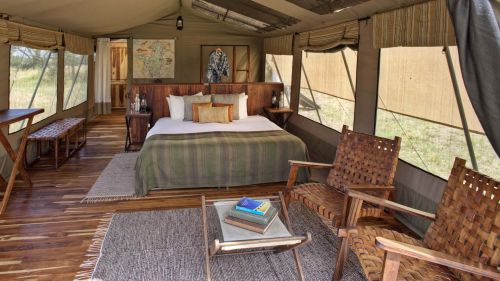
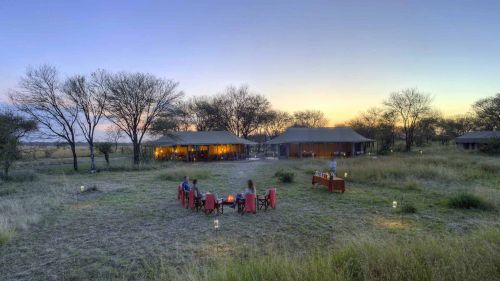 Olakira is a safari camp with 9 tents that seasonally relocates between North and South Serengeti. Tents are spacious, comfortable with en-suite flush toilets and safari showers. After their daily activities, guests gather at the fire place, sundowner spots and the common dining and library tent. Enjoy a private dinner under the stars, with excellent food. The camp's size and the friendly, well trained staff create an authentic safari experience.Olakira camp operates in the prime wildlife areas of the southern (Ndutu) and northern Serengeti (Mukutano - at the Mara River). Though the camp is positioned to be within reach of the Migration, proximity to the Migration isn't guaranteed. This is due to the unpredictable nature of animals and the limited availability of good campsites should conditions change.
