The Selous game reserve: Africa’s largest wilderness

At around 50,000 square kilometres, the Selous is Africa’s largest game reserve, a wilderness area bigger than Denmark or Switzerland. The reserve actually covers more than 5% of Tanzania’s total land area, and is three times larger than the Serengeti! Although slightly off the beaten track of the more well-worn safari circuits, a visit to the Selous offers unforgettable game viewing in almost completely isolated surroundings.

At around 50,000 square kilometres, the Selous is Africa’s largest game reserve, a wilderness area bigger than Denmark or Switzerland. The reserve actually covers more than 5% of Tanzania’s total land area, and is three times larger than the Serengeti! Although slightly off the beaten track of the more well-worn safari circuits, a visit to the Selous offers unforgettable game viewing in almost completely isolated surroundings.

Abundant Wildlife in Selous Game Reserve

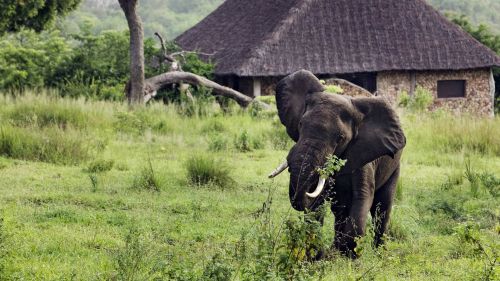
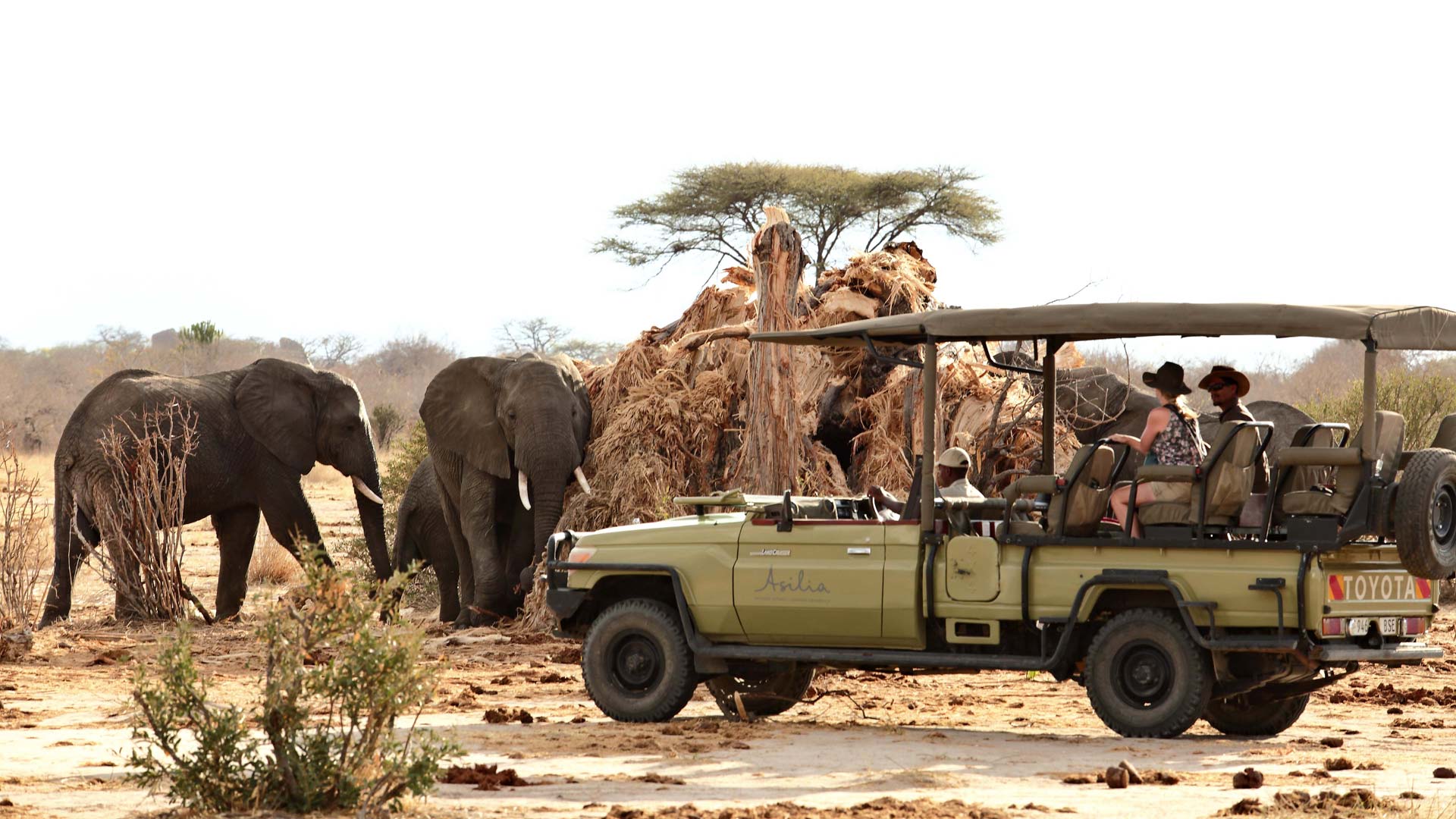
The park supports enormous numbers of wild animals 200,000 buffalo, 30,000 elephant (more than half the country’s population), and 80,000 wildebeest to name but a few, as well as one of the healthiest populations of the endangered African Wild Dog. A successful project is underway to nurture the Reserve’s population of black rhino back to health following their depletion by poachers in the 1970s and 80s, and sightings are now possible in the tourist area.

Historical Roots and Preservation of Selous

A part of the reserve’s modern-day area was set aside as a game conservancy as far back as 1905, an area which was expanded and named (after Frederick Courtenay Selous, a nineteenth century hunter and soldier) in the 1920s. Repeated sleeping sickness epidemics during the 1930s and 1940s meant that the area’s human inhabitants moved out, leaving the Selous to the animals. Today, sleeping sickness is a thing of the distant past, but the Selous is still an uninhabited, untamed slice of `Old Africa’. In 1982, the Reserve’s unique ecosystem was recognised internationally and the area designated a World Heritage Site by the United Nations.

The Northern Sector: A Hub for Photographic Tourism

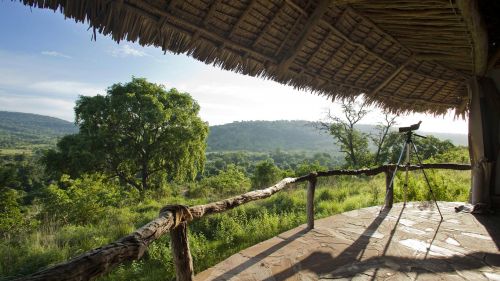
The greater part of the northern sector of the Selous is earmarked for photographic tourism, and it is one of the most beautiful and game-rich areas in the whole ecosystem. Three-quarters of the Reserve is woodland of various types, short grassy plains, and seasonally flooded pans. Impressive riverine forests and dense impenetrable thickets are important habitats within the Selous. The wide, meandering Rufiji River is one of the largest water systems in East Africa. With its associated wetlands, lakes and swamps, it is one of the most outstanding ecological systems in the whole of eastern Africa.

Exploring Tanzania and Selous: Walking and Boat Safaris

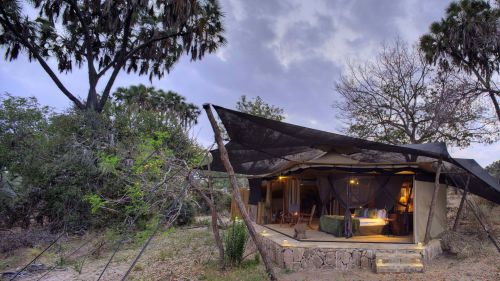
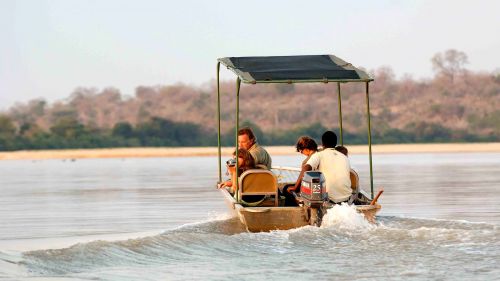
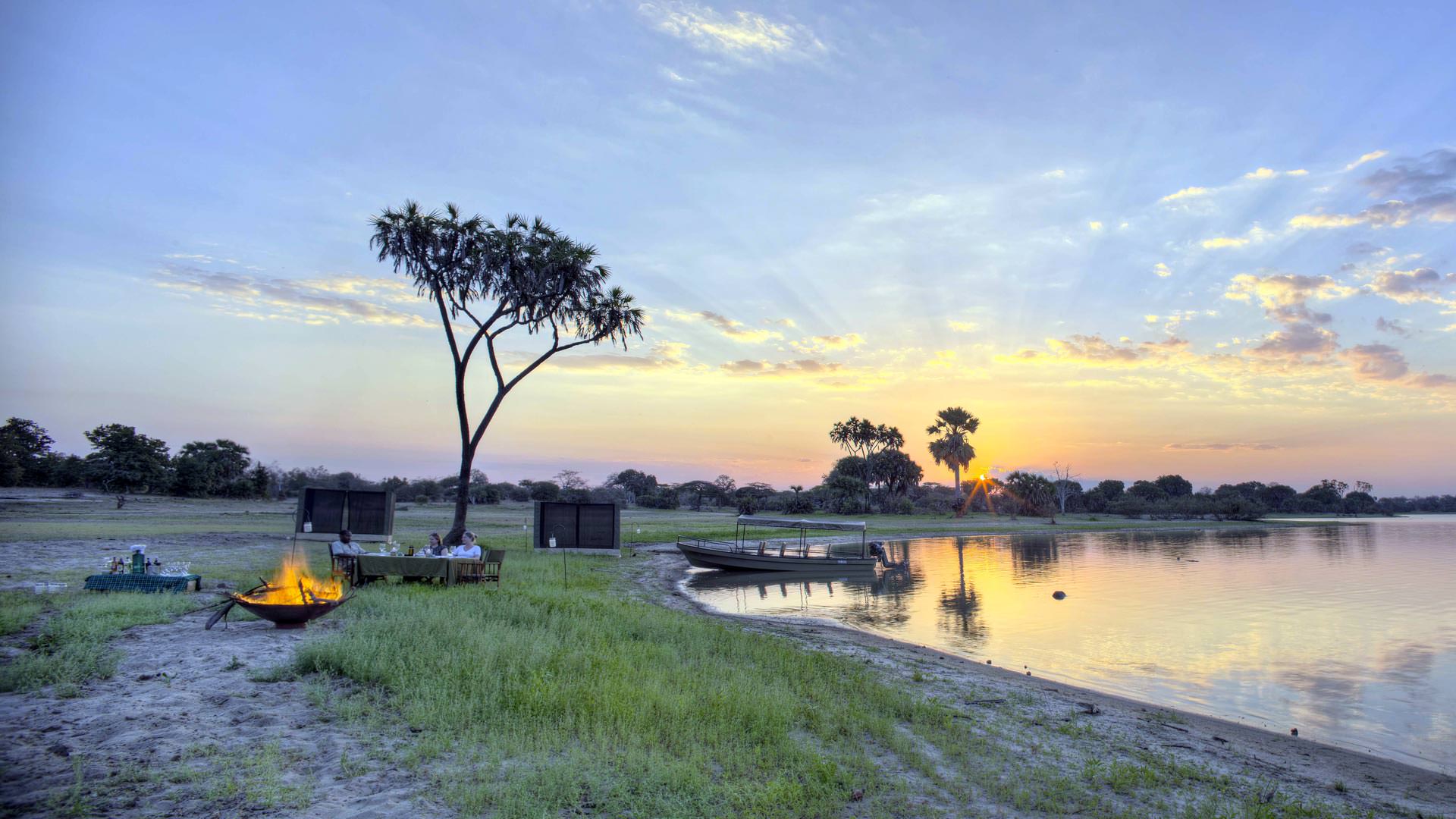
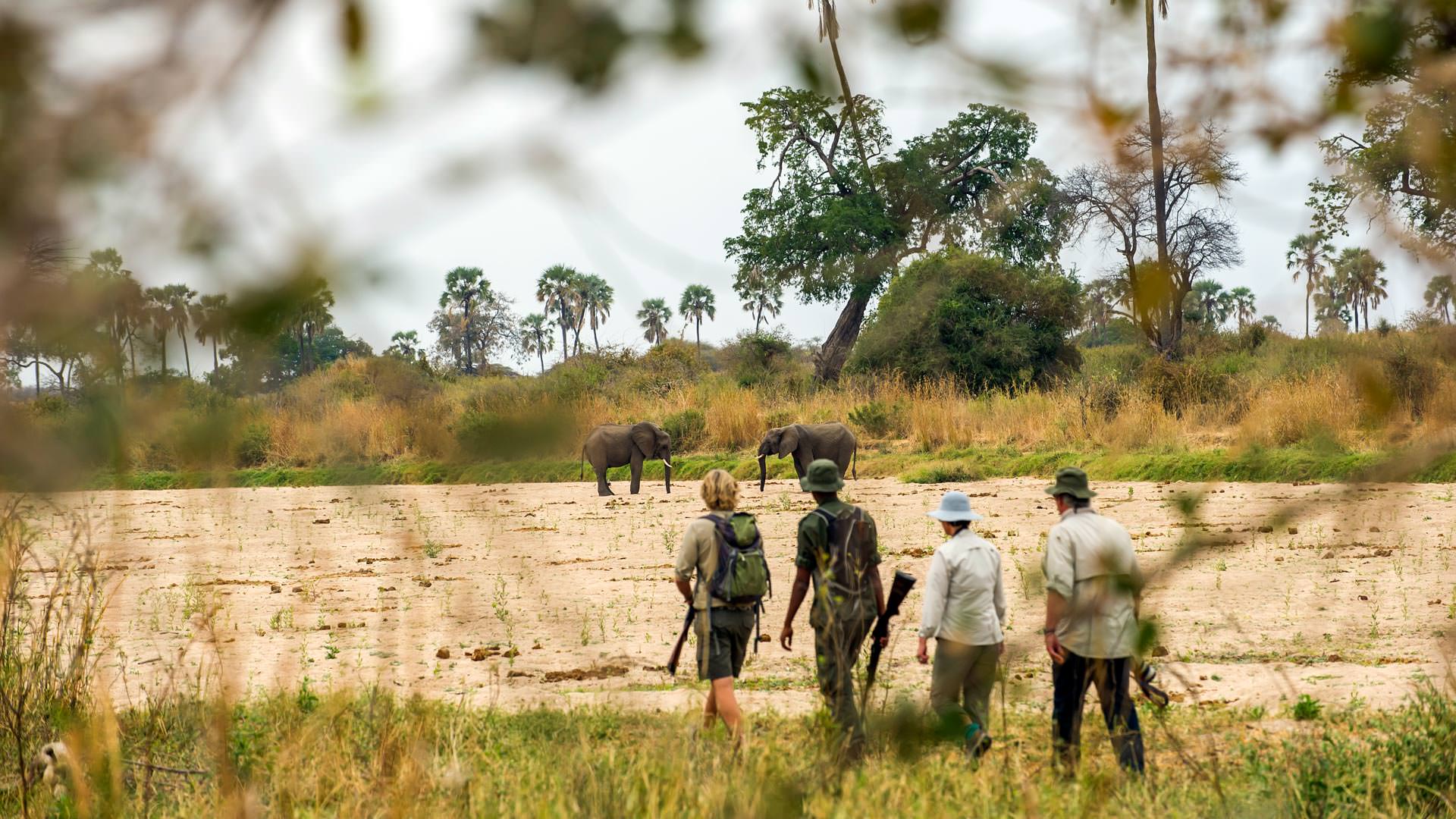
Walking and boat safaris as well as game drives are on offer to visitors to the Selous’ small and remote camps and lodges, with little chance of bumping into any sign of human life. Fly camping, or mobile walking safaris, are becoming a popular option for intrepid visitors intent to see the best of Africa on foot, unhampered by the closed-in atmosphere of a safari van. Boat trips and longer safaris down the spectacular Rufiji River offer visitors a chance to see hippos, bird life, and even crocodiles up close. During a game drive or walk one might be lucky enough to see a pack of African Wild Dog, disappearing throughout Africa but thriving in the Selous. These complex and fascinating mammals show little fear of vehicles, and it is often possible to observe their intense social life from close proximity. In the tourist area the density of dogs is higher than anywhere else in Africa.

Birdlife Along the Rufiji River

Although the Selous is best known for its spectacular large mammals, it is equally celebrated for its abundant and varied birds. The most conspicuous bird life is to be found around the constantly changing pattern of sandbanks, oxbow lakes, lagoons and channels along the Rufiji River. The river scenery is made all the more spectacular by the groves of Borassus palms, an indigenous species whose tall fronds sway majestically in the African breeze. Ancient baobabs, a tree held sacred by many tribal groups, stand majestically against the far-reaching horizon. Their dead, hollow, leafless trunks provide vantage points for fish eagles and nest sites for Egyptian Geese and Dickinson’s Kestrels.

Safaris visiting this area

Introduction to Selous Game Reserve

Stretching over 50,000 square kilometers, Selous Game Reserve stands as Africa’s largest wildlife reserve, a wilderness even larger than countries like Denmark or Switzerland. Covering over 5% of Tanzania’s total land area and surpassing the Serengeti in size, Selous offers an unparalleled safari experience. Though it lies slightly off the beaten track, it is a haven for those seeking an isolated and authentic encounter with Africa’s raw beauty.

The Untamed Wilderness: Flora and Fauna

The Selous Game Reserve is home to one of the most diverse and abundant wildlife populations in Africa. Visitors are often in awe of the reserve’s massive herds of elephants—boasting over 30,000 individuals, more than half of Tanzania’s total population. Additionally, Selous hosts approximately 200,000 buffalo and 80,000 wildebeest, alongside rarer species like the African wild dog, a fascinating and endangered predator thriving in the region. Conservation efforts have also enabled the recovery of the black rhinoceros population, making sightings of this majestic creature possible in designated tourist areas.

The reserve’s varied habitats include riverine forests, grasslands, and floodplains that support countless other species. The dense thickets and towering Borassus palms create a dramatic backdrop for wildlife viewing, while ancient baobabs add a mystical charm to the landscape. These iconic trees not only define the scenery but also serve as vital ecosystems, hosting birds like Egyptian geese and fish eagles.

Rufiji River: The Lifeline of Selous

A defining feature of the Selous ecosystem is the wide and winding Rufiji River, one of East Africa’s most significant water systems. The river and its associated wetlands, oxbow lakes, and lagoons are a hub of life, providing sustenance to hippos, crocodiles, and a kaleidoscope of birdlife. The Rufiji’s ever-changing patterns of sandbanks and channels offer a dynamic environment for exploration, whether through boat safaris or guided walks along its shores.

Boat trips on the Rufiji provide an intimate view of aquatic species and birdlife, making them a must for avid wildlife photographers and nature enthusiasts. The river’s calm waters contrast beautifully with the thrill of spotting large mammals during a safari drive, offering visitors a multifaceted adventure.

Activities in Selous Game Reserve

One of Selous’ most unique features is its range of safari experiences. Unlike other parks, where vehicle safaris dominate, Selous invites visitors to explore its wilderness on foot or by boat. Walking safaris provide an immersive way to experience the reserve’s ecosystems, with guides offering insights into the flora, fauna, and traditional uses of the land.

For the adventurous, mobile walking safaris, also known as fly camping, offer a truly remote experience. Spending nights under the stars in the heart of Selous allows visitors to connect deeply with nature. Boat safaris along the Rufiji River are another highlight, bringing guests face-to-face with hippos, crocodiles, and diverse bird species.

Historical and Cultural Significance

The Selous Game Reserve is steeped in history. Named after Frederick Courtenay Selous, a renowned hunter and conservationist, the reserve was established as a game conservancy as early as 1905. By the 1930s, sleeping sickness epidemics led to the relocation of human settlements, leaving the area to flourish as an unspoiled wildlife sanctuary.

Recognized as a UNESCO World Heritage Site in 1982, Selous remains a testament to Tanzania’s commitment to preserving its natural heritage. Its untamed landscapes evoke the Africa of old—wild, vast, and deeply connected to the rhythms of nature.

The Best Time to Visit Selous

The dry season, from June to October, is ideal for visiting Selous, as wildlife congregates around water sources, making sightings more predictable. However, the reserve also offers lush, green landscapes and excellent birdwatching opportunities during the wet season (November to April). Each season brings its own charm, ensuring a rewarding visit year-round.

Why Selous Stands Out

Selous Game Reserve provides a unique combination of solitude, biodiversity, and adventure. Unlike the busier safari destinations in Tanzania, Selous offers an intimate connection with nature. Its vastness ensures minimal human intrusion, allowing visitors to fully immerse themselves in the sights and sounds of the wilderness.

The reserve’s emphasis on sustainable tourism and conservation makes it a model for wildlife preservation. Efforts to protect endangered species, coupled with its focus on low-impact tourism, ensure that Selous remains a pristine wilderness for generations to come.

A visit to Selous Game Reserve is more than a safari—it’s a journey into Africa’s soul. From its abundant wildlife and majestic landscapes to its rich history and thrilling activities, Selous promises an unforgettable adventure. Whether exploring the Rufiji River by boat, tracking wildlife on foot, or simply soaking in the serenity of its untouched beauty, Selous Game Reserve is a destination that inspires wonder and leaves a lasting imprint on every traveler’s heart.